All guides
Chandigarh 10 min read

Chandigarh Restaurant Business Guide

Guest experience, table flow, and data-led menu decisions

Chandigarh’s dining scene blends café culture, premium rooms, and expanding multi-outlet brands. This guide focuses on service standards, customer relationships, and the operational tools that support them — not just software features.

Restaurants in Chandigarh compete on ambience, consistency, and repeat visits as much as on menu price. Floor teams need clear table status; kitchen staff need course-wise clarity; owners need sales patterns to refine offerings. The sections below explore how to structure those workflows and where a connected POS supports rather than complicates service.

01

Table management that matches your floor

Map your actual floor plan — indoor, outdoor, and private sections — so hosts know which tables are available, occupied, or awaiting bill. Transfers between tables and merging orders should not require re-entering items. During busy weekends, visual table status reduces wait-time friction for guests and staff.
02

Building repeat visits with customer records

Capture contact details and visit history at billing when guests are willing to share. Use that data for follow-ups, birthday offers, or feedback — not mass spam. Loyalty works best when tied to genuine service improvements, not points alone.

Local areas in Chandigarh

Chandigarh dining clusters around Sector 17 plazas, café belts in Sector 26 and 35, and destination mall traffic near Elante. Manimajra and Industrial Area add a different pace — denser service, tighter margins. Whether you run a Sector 8 coffee counter or a multi-outlet brand across sectors, guest experience and table clarity sit on top of solid billing and kitchen flow.

  • Sector 17

    Plaza footfall and evening crowds — table status and guest CRM help retain walk-ins.

  • Sector 26

    Café culture strip; ticket accuracy and modifier-heavy menus are daily reality.

  • Sector 35

    Casual dining dens with weekend peaks and split-party billing.

  • Sector 8

    Boutique and premium rooms that need course-wise KOT discipline.

  • Industrial Area

    Lunch-heavy outlets where speed and shift reports matter more than ambience.

  • Manimajra

    Dense local market dining with cash + UPI mix and high ticket volume.

  • Elante area

    Mall-adjacent formats — food courts and brand counters sharing kitchen pressure.

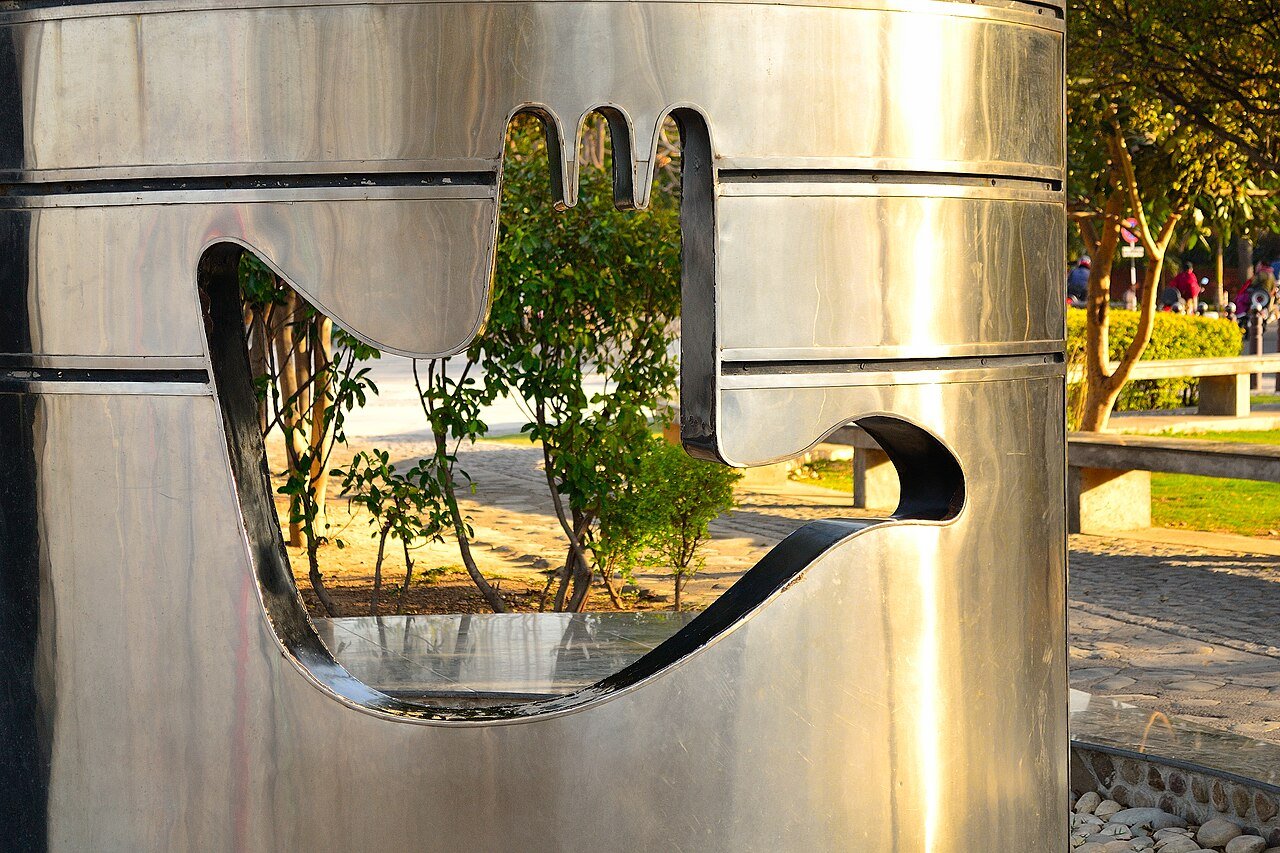
Open Hand monument in Chandigarh
Wikimedia Commons

Frequently asked questions

Quick answers about restaurant operations in Chandigarh.

How do Chandigarh cafés differ from fine-dine in POS needs?

Cafés prioritise quick billing and add-ons; fine-dine needs table status, course firing, and longer service cycles. Choose workflows that match your primary format.

Is CRM necessary for a single-outlet restaurant?

It helps when you actively nurture repeat guests. Start simple — name, phone, visit count — and expand as your marketing matures.

Where can I see myKitchenMate for Chandigarh?

Our Chandigarh POS page outlines table management, CRM, and multi-outlet options, or request a demo tailored to your format.

Ready to modernise your Chandigarh restaurant?

Connect guest service, kitchen coordination, and analytics on one platform built for Indian dining formats.