Cloud Kitchen POS & ERP for Delivery-Only Restaurants
Delivery-only kitchen ERP with Swiggy and Zomato sync, multi-brand menus and multi-location inventory for cloud kitchens in India.
Cloud Kitchen POS that fits the floor
Sync Swiggy, Zomato and direct orders automatically, manage multiple virtual brands from one kitchen and track delivery analytics — cloud kitchen ERP software built for delivery-only restaurant operations in India.
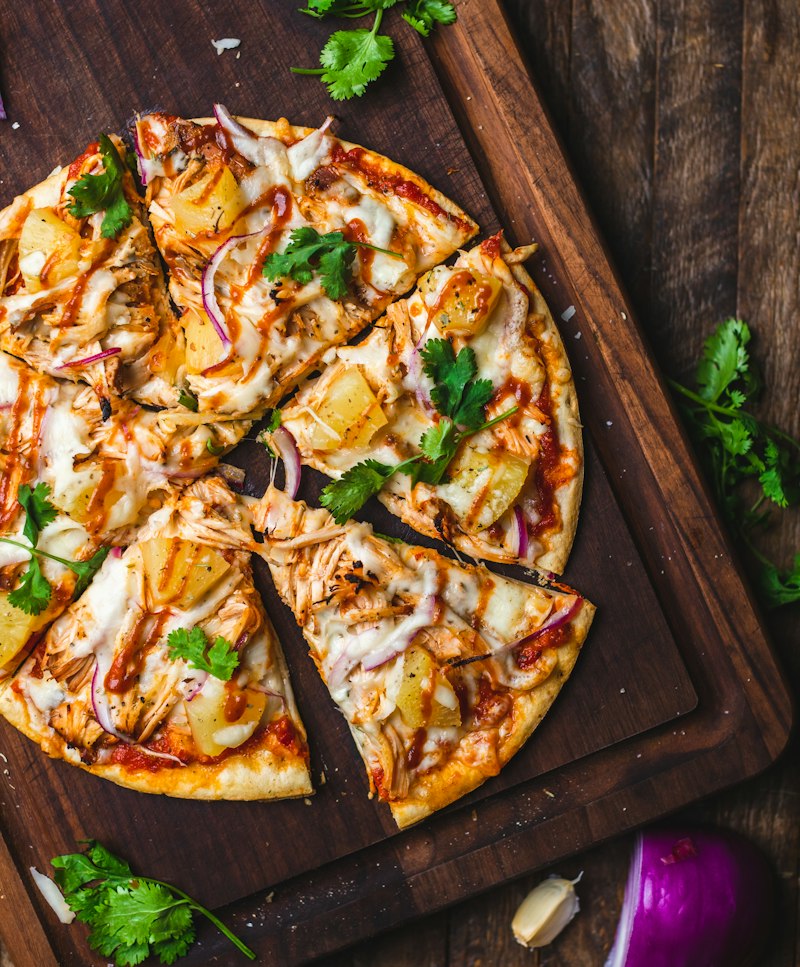
Multi-Brand Management
Run multiple virtual brands from one kitchen with separate menus and pricing.
- Run multiple virtual brands from one kitchen
- Separate menus, pricing and branding per brand
Aggregator Auto-Sync
Accept Swiggy, Zomato, and Magicpin orders without manual punching.
- Auto-accept Swiggy, Zomato and Magicpin orders
- Zero manual punching — orders flow to KOT directly
Delivery Analytics
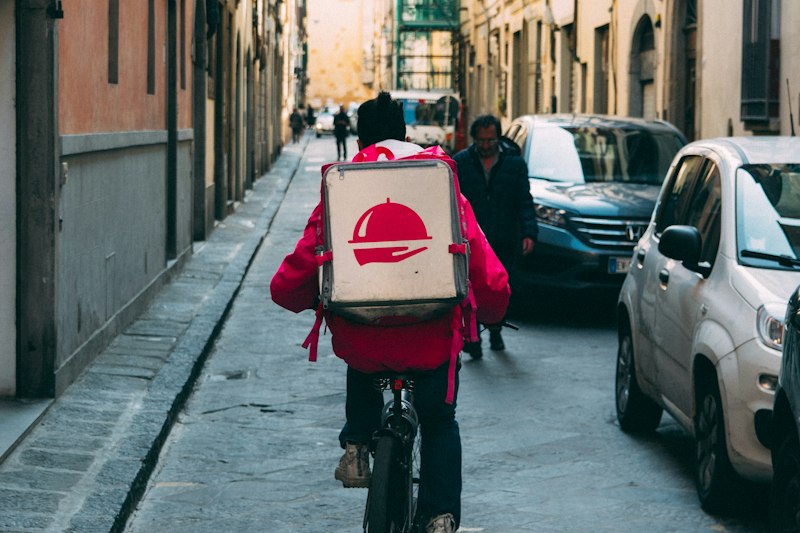
Track order volumes, prep times, cancellations, and brand-wise profitability.
- Track prep times, cancellations and delivery SLA
- Brand-wise profitability and volume analytics
Central Inventory
Manage shared ingredients across brands with recipe-level consumption tracking.
- Shared ingredient inventory across all brands
- Recipe-level consumption and wastage tracking

See Cloud Kitchen POS on your floor
Launch or scale your cloud kitchen with India's most complete delivery-focused restaurant ERP. Plans from ₹4,999/year.
Dining style guide
Complete Guide to Cloud Kitchens and Virtual Restaurant Brands
Cloud kitchens — delivery-first operations without a traditional storefront — have reshaped how Indians order food from home. Multiple brands can share one production facility while customers interact only through Swiggy, Zomato, or direct apps. Learn how this model fits among other dining styles, or talk to our team via contact us if you run a delivery-only kitchen.
Without dine-in ambience, success hinges on menu engineering, prep consistency, and aggregator performance. Compare with counter-service QSR outlets, build-your-own pizza and burger brands, or mall-based food court stalls that add walk-in revenue. Operators scaling virtual brands can review pricing for cloud kitchen ERP tools.
Defining Cloud Kitchen Operations
A cloud kitchen produces food exclusively — or primarily — for delivery and takeaway. There is no guest-facing dining room; instead, optimised prep lines, packaging stations, and rider handoff zones drive the workflow. One facility may host several virtual brands with distinct menus targeting different customer segments.
In India, cloud kitchens range from single-brand biryani labs to multi-brand hubs operating five cuisines from shared equipment. Lower real estate costs enable experimentation, but aggregator commissions and delivery logistics compress margins sharply.
Operators often locate near dense residential clusters or office parks to keep rider pickup times predictable — geography matters as much as recipe quality for repeat app orders.
- Delivery-first with minimal or no customer-facing storefront
- Multi-brand capability from a single kitchen location
- Heavy reliance on aggregator and direct-order channels
- Packaging, prep-time, and rider coordination as core competencies
When Cloud Kitchen Food Makes Sense
Cloud kitchens suit home dinners, late-night cravings, office team lunches ordered to desk, and party bulk orders placed days ahead. Diners who prioritise convenience and menu variety over restaurant ambience are the core audience.
They are wrong for occasions needing live cooking theatre, sommelier service, or milestone celebrations in an elegant room. When the experience is the food itself — not the table — cloud kitchens deliver.
Subscription meal plans and office pantry tie-ups extend cloud brands beyond impulse app orders into predictable weekday revenue streams.
Packaging and Rider Handoff as Guest Experience
Riders waiting in rain outside unmarked lanes judge brands harshly when handoff takes too long — clear pickup signage and dedicated packaging benches reduce cancelled orders.
Branded stickers, thank-you cards, and reheating notes cost little but lift review scores that algorithms reward with better listing placement.
The 'Ambience' of Delivery-Only Dining
Guests never see the kitchen, so brand identity lives in packaging, photography, and consistent taste. Unboxing matters: leak-proof containers, sauce compartments, and reheating instructions influence reviews as much as flavour.
Some cloud operators add small pickup windows or partner cloud shelves in co-working cafés, blurring lines with café pickup points. Still, the dominant experience is app-tap, doorbell, and dine at your table.
A soggy box or missing condiment sachet can erase goodwill built over dozens of prior perfect orders — delivery-only brands live and die by packaging discipline.
Cuisines and Menu Strategies That Work
Delivery-friendly menus emphasise items that travel well — biryanis in sealed pots, rolls and bowls, pizzas, burgers, Asian mains, and meal kits. Soups and crispy tempura struggle unless packaging innovation solves sogginess.
Indian cloud brands often launch regional specialists — Kolkata biryani, Hyderabadi haleem, Punjabi paratha combos — alongside global comfort food virtual labels from the same hub.
- Biryani, pulao, and rice-meal boxes
- Burgers, wraps, and pizza optimised for travel
- Healthy bowls, salads, and protein-focused brands
- Dessert-only virtual labels paired with main-course partners
Who Orders from Cloud Kitchens Most
Young professionals and students in metro cities order frequently for convenience. Families use cloud kitchens for weekend indulgence when cooking feels tedious. Office groups consolidate bulk lunch orders with single invoices.
Couples at home choose cloud delivery for movie-night spreads. Solo diners appreciate single-portion menus without delivery minimum awkwardness on aggregator apps.
Tips for Choosing Reliable Cloud Kitchen Brands
Prioritise brands with consistent aggregator ratings over six months — flash promotions cannot hide recurring packaging or portion complaints. Check average delivery time in your pin code; a great menu fails if food arrives cold.
Look for clear allergen notes and recent menu photos that match delivered items. Brands that respond professionally to negative reviews often operate tighter kitchens.
- Compare portion photos in recent reviews versus menu images
- Note repeat complaints about missing items or wrong orders
- Try one dish before placing large party orders
- Watch for brands with multiple virtual labels from one kitchen — quality may vary by menu
Trends Driving Cloud Kitchen Growth in India
Direct-order websites and WhatsApp reorder flows reduce aggregator dependency. Kitchen automation, combi ovens, and standardised prep videos improve consistency across shifts.
Protein-focused, keto, and regional revival brands target niches too small for standalone restaurants but viable as virtual labels. Data analytics on cancellations, prep delays, and brand-wise profitability guides which menus deserve marketing spend.
Packaging innovation — vented boxes, compartment trays, reheating cards — has become a competitive skill because the unboxing moment replaces traditional restaurant ambience entirely.
How myKitchenMate ERP Supports Cloud Kitchen Operators
Manual order punching from three aggregator tablets guarantees errors during dinner rush. myKitchenMate cloud kitchen ERP auto-syncs Swiggy, Zomato, and Magicpin orders into unified KOT screens with brand-wise routing and prep-time tracking.
Shared ingredient inventory across virtual labels prevents duplicate purchasing. Brand profitability reports show which menus earn after commissions. Explore onboarding via contact us and subscription details on pricing.
Kitchen display routing by brand colour codes helps prep teams distinguish virtual labels during chaotic dinner peaks when three tablets ping simultaneously.
Frequently asked questions
Quick answers about this dining style and how myKitchenMate fits.
What is the difference between a cloud kitchen and a ghost kitchen?
Terms are often used interchangeably in India. Both describe delivery-focused kitchens; some define ghost kitchens as operating brands with no public physical identity at all.
Can cloud kitchens also serve walk-in customers?
Some add takeaway windows or partner pickup points, but most revenue comes from delivery. Walk-in traffic is rarely the primary business model.
Are cloud kitchen meals less fresh than restaurant food?
Quality depends on prep discipline and packaging, not the model itself. Top operators design menus for travel time and batch sensibly rather than holding food indefinitely.
How many brands can one cloud kitchen run?
Facilities commonly operate three to eight virtual brands sharing equipment and staff, provided menus are engineered for common prep stations.
Do cloud kitchens need different POS than dine-in restaurants?
Yes. Aggregator auto-sync, multi-brand menus, delivery analytics, and shared inventory are essential — features myKitchenMate cloud kitchen ERP provides out of the box.
Why do some cloud brands disappear from apps suddenly?
Virtual labels are easy to launch and retire. Operators test menus, pause underperforming brands, and reallocate kitchen capacity based on order data.
Is cloud kitchen food safe?
Licensed kitchens follow FSSAI regulations regardless of storefront presence. Check aggregator hygiene scores and operator transparency about kitchen location when available.
Why Cloud Kitchen teams pick myKitchenMate
Cloud kitchen operators rely on myKitchenMate for zero manual order entry, brand-wise profitability reports and shared inventory control.
Go Live in 24 Hours
Remote onboarding with menu upload and staff training included.
Just ₹4,999/Year
Industry-low pricing with no hidden setup or per-order fees.
24/7 Indian Support
Real humans on call — not bots — whenever your kitchen needs help.
Ready for Cloud Kitchen POS that keeps up?
Launch or scale your cloud kitchen with India's most complete delivery-focused restaurant ERP. Plans from ₹4,999/year.