QSR POS & ERP Software for Fast Food Restaurants in India
High-speed POS and ERP for QSR and fast food outlets in India. KOT routing, aggregator sync, shift reports and GST billing from ₹4,999/year.
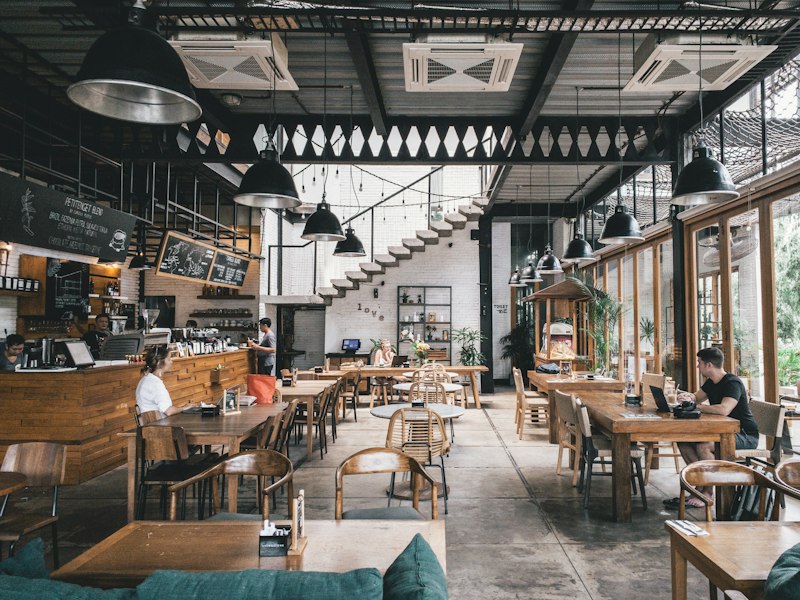
QSR POS that fits the floor
From rush-hour counter billing to kitchen display and Swiggy/Zomato orders, myKitchenMate gives QSR and fast food restaurants every tool they need to reduce wait times and increase throughput.
Lightning-Fast Billing
Process orders in seconds with one-tap combos, modifiers, and split billing for rush-hour queues.
- One-tap combo and modifier billing for rush hours
- Split bills and multiple payment modes at the counter
Kitchen Display System
Route KOTs instantly to prep stations and track order status from counter to customer.
- Auto-route KOTs to grill, fryer and assembly stations
- Real-time order status from kitchen to customer
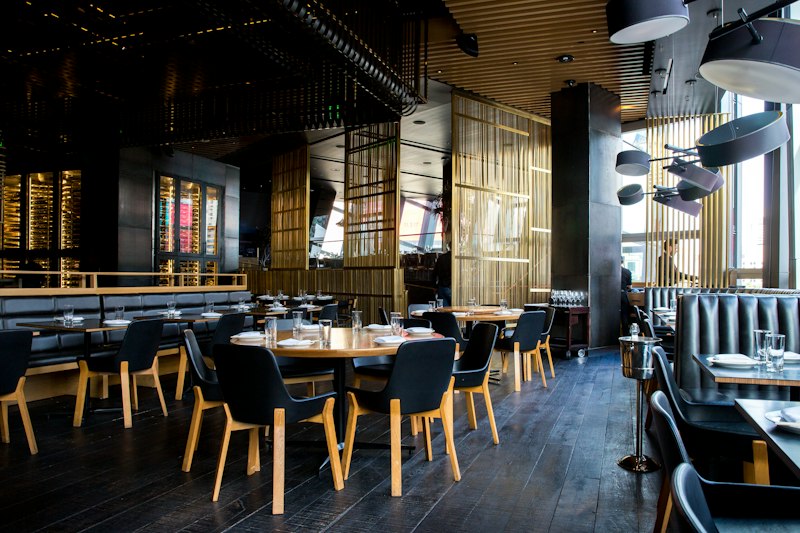
Aggregator Integration
Sync Swiggy, Zomato, and dine-in orders in one dashboard without manual entry.
- Sync Swiggy, Zomato and dine-in orders in one screen
- Eliminate manual order punching and reduce errors
Shift & Cash Reports
Close shifts with accurate cash reconciliation and outlet-wise sales summaries.
- Shift-wise cash reconciliation and void tracking
- Outlet sales summaries exportable for accountants
See QSR POS on your floor
Start your QSR POS subscription today. Join 1.5 Lakh+ Indian food businesses with plans from ₹4,999/year, free setup and 24/7 support.
Dining style guide
Complete Guide to Quick Service Restaurants (QSR) in India
Quick Service Restaurants — the familiar counter-order, tray-in-hand format — dominate Indian high streets, highway stops, and mall food zones. Whether you are scouting your next lunch spot or planning a QSR outlet, understanding what makes fast food outlets tick helps you pick the right experience. Explore how this dining style compares with others on our dining styles hub, or reach out via contact us if you run a fast food business.
From regional chaat counters to national burger brands, QSR dining rewards speed, value, and predictable menus. Operators balancing dine-in rushes with Swiggy and Zomato orders often look at specialised POS tools — see pricing for affordable options. Related formats worth comparing include pizza and burger outlets, food court stalls, and the more leisurely pace of fine dining.
What Defines a QSR? Core Traits of Fast Food Dining
A Quick Service Restaurant prioritises throughput over table service. Customers typically order at a counter or kiosk, pay upfront, and collect food within minutes. Menus are compact, recipes are standardised, and kitchen workflows are designed for repetition rather than bespoke plating.
In India, QSR spans international chains, regional fried chicken brands, South Indian tiffin counters, and modern cloud-adjacent takeaway kitchens with a storefront. What unites them is a promise: hot food, fair pricing, and minimal waiting — even when queues stretch during office lunch hours.
- Counter-first ordering with limited or no table service
- Standardised recipes and portion-controlled prep
- High order volume during short peak windows
- Strong takeaway, delivery, and combo-meal culture
When Is a QSR the Right Choice?
QSR fits moments when time matters more than ambience. Office workers grabbing a 30-minute lunch, students between classes, families on a highway pit stop, and late-night hunger after a movie — all map naturally to fast food.
It is less ideal for unhurried celebrations or multi-course business entertainment. If your occasion demands personalised service, wine pairings, or a two-hour table, look elsewhere. For quick fuel, shared snacks, or feeding a group without blowing the budget, QSR delivers reliably.
Ambience, Décor, and the Counter Experience
QSR interiors range from neon-lit mall kiosks to cheerful highway dhaba-style counters with plastic chairs. Seating, when available, is functional — booth benches, high tables, or shared communal benches designed for fast turnover rather than lingering.
Music tends toward upbeat and volume-controlled. Branding is bold: menu boards above the counter, combo posters, and digital screens cycling promotions. The experience is intentionally energetic — you feel the kitchen rhythm, smell the fryer, and watch your order number flash on a display.
Popular Cuisines and Typical Menu Items
Indian QSR menus mirror local tastes. North India sees burgers, wraps, fried chicken, and Indo-Chinese bowls. South India leans on idli-vada combos, meals-on-the-go, and filter coffee pairings. Metro cities blend global fast food with regional street-food favourites repackaged for hygiene-conscious diners.
Expect combo meals, upsized drinks, add-on fries, and limited-time festival specials. Vegetarian and Jain-friendly options are increasingly standard. Dessert counters or tie-ups with ice cream parlours nearby round out the meal for families.
- Burgers, wraps, fried chicken, and pizza slices
- South Indian tiffin combos and meal boxes
- Indo-Chinese noodles, rice bowls, and momos
- Beverage-led add-ons: shakes, soft drinks, and chai
Who Enjoys QSR Dining Most?
Families appreciate predictable kids' menus, quick service, and wallet-friendly combo pricing. Couples often treat QSR as casual date spots — shared fries, milkshakes, and zero dress code.
Business groups use QSR for informal working lunches where conversation matters more than linen napkins. Solo diners benefit from single-portion meals, counter seating, and no awkward table-for-one dynamics. Students and delivery riders form a loyal weekday base across Indian cities.
How to Pick a Great QSR Near You
Check peak-hour queue speed — a long line that moves steadily beats an empty counter with stale holding food. Look at menu board clarity: transparent pricing and allergen notes signal organised operations.
Read recent reviews for consistency on packaging, order accuracy, and hygiene visible at the counter. For delivery, compare aggregator ratings separately from dine-in scores — some outlets excel at one channel and struggle on the other.
- Observe kitchen visibility and staff glove or cap usage
- Compare combo value against à la carte pricing
- Note whether vegetarian and non-veg prep areas look separated
- Ask about loyalty apps or repeat-order discounts
Trends Shaping Indian QSR Today
Health-conscious menus — grilled options, millet wraps, and protein bowls — are entering mainstream QSR without sacrificing speed. Ghost-kitchen brands piggyback on aggregator visibility while maintaining minimal dine-in footprints similar to cloud kitchen models.
Digital ordering kiosks, QR menus, and kitchen display systems reduce counter bottlenecks. Regional flavours — keema pav sliders, butter chicken rice boxes, Andhra spice levels — help local brands compete with global chains on taste rather than ad spend alone.
How myKitchenMate POS Powers QSR Operators
QSR margins depend on seconds saved at billing and zero KOT errors during rush hour. myKitchenMate QSR POS supports one-tap combo billing, modifier pricing for custom orders, and automatic KOT routing to fryer, grill, and assembly stations — so counter staff never re-type orders.
Aggregator orders from Swiggy and Zomato sync into the same screen as walk-ins, eliminating manual punching. Shift-wise cash reconciliation, void tracking, and GST-ready invoices give owners audit-friendly closing reports. Affordable annual plans from pricing make professional restaurant ERP accessible to single-outlet fast food brands across India.
Frequently asked questions
Quick answers about this dining style and how myKitchenMate fits.
What is the difference between QSR and fast-casual dining?
QSR emphasises counter service, pre-paid orders, and the fastest possible turnaround. Fast-casual outlets — like many pizza and burger restaurants — may offer slightly more customisation and seating comfort while still avoiding full table service.
Are QSR restaurants good for family outings?
Yes, especially when children want familiar menus and parents want predictable bills. Many QSR chains offer family combos, high chairs, and quick service that suits impatient young diners.
Do Indian QSR outlets serve vegetarian food?
Most do, and many operate dedicated vegetarian kitchens or clearly separated prep zones. Jain-friendly options without onion and garlic are increasingly common in metro cities.
How long should a typical QSR visit take?
From counter order to collecting food, expect five to fifteen minutes depending on crowd size. Well-run outlets optimise prep so peak queues still move within a lunch break.
Is QSR only about burgers and fries?
Not at all. Indian QSR includes dosa counters, biryani boxes, chaat kiosks, and regional rice-meal brands — any format built for speed and standardised quality.
What should QSR owners look for in POS software?
Priority features include fast combo billing, KOT routing, aggregator integration, inventory tracking, and shift reports. Systems like myKitchenMate are built specifically for high-volume Indian fast food workflows.
Can QSR work inside malls and food courts?
Absolutely. Many QSR brands operate as dedicated counters inside food courts, sharing seating while maintaining independent menus and billing.
Why QSR teams pick myKitchenMate
Thousands of quick-service restaurants across India choose myKitchenMate for affordable, GST-ready POS software that goes live in 24 hours with free remote onboarding.
Go Live in 24 Hours
Remote onboarding with menu upload and staff training included.
Just ₹4,999/Year
Industry-low pricing with no hidden setup or per-order fees.
24/7 Indian Support
Real humans on call — not bots — whenever your kitchen needs help.
Ready for QSR POS that keeps up?
Start your QSR POS subscription today. Join 1.5 Lakh+ Indian food businesses with plans from ₹4,999/year, free setup and 24/7 support.