
Food Court POS Software for Multi-Stall Operations
Multi-counter billing, token management and centralized reporting POS for food courts, mall stalls and canteens in India.
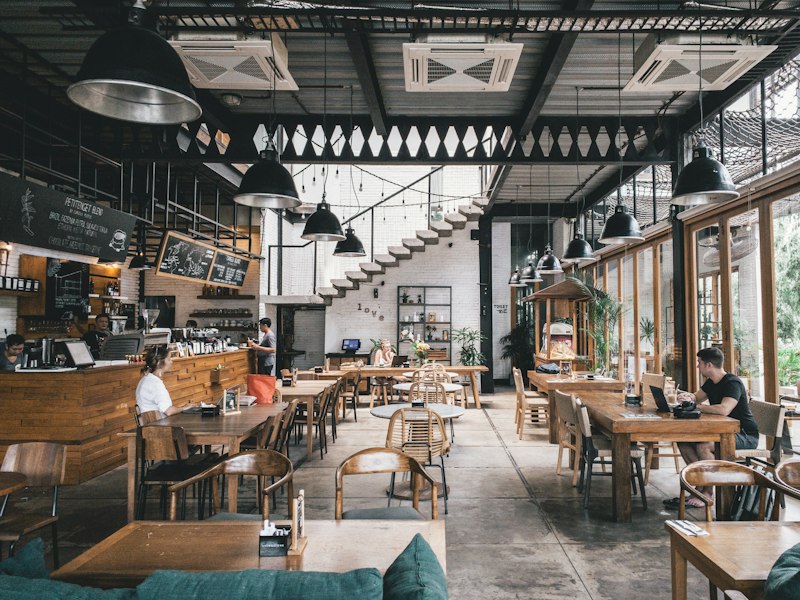
Food Court POS that fits the floor
Run multiple food stalls under one roof with separate menus, token billing, tray management and consolidated reports — food court POS software purpose-built for malls, canteens and shared dining spaces.
Multi-Counter Billing
Run multiple food stalls under one food court with separate menus and consolidated reports.
- Separate menus and pricing per food court stall
- Consolidated sales view for entire food court
Token & Tray Management
Issue tokens, track tray returns, and manage peak-hour queues efficiently.
- Token issuance and tray return tracking
- Manage peak lunch queues efficiently
Centralized Reporting
View sales by counter, peak hours, and best-selling items across the entire court.
- Sales by counter, hour and best-selling item reports
- Identify top-performing stalls instantly
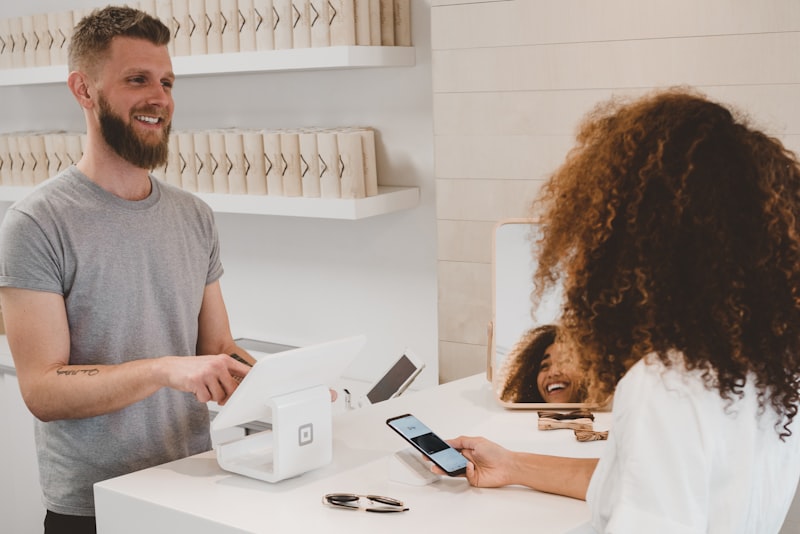
Corporate Canteen Ready
Support prepaid wallets, employee IDs, and subsidized meal programs.
- Prepaid wallet and employee ID meal programs
- Ideal for corporate and campus canteens
See Food Court POS on your floor
Simplify your food court operations with unified POS and real-time reporting. Book a free demo and remote setup today.
Dining style guide
Complete Guide to Food Court Dining in India
Food courts transform malls, airports, campuses, and corporate parks into one-stop culinary bazaars — dozens of counters, shared seating, and lunch-hour energy that nowhere else matches. Whether you are navigating a mall food zone or managing multiple stalls, understanding food court dynamics saves time and money. Start with our overview of all dining styles or write to us via contact us for multi-counter POS guidance.
Unlike standalone restaurants, food courts bundle choice with convenience: biryani beside sushi beside shakes within fifty steps. Compare with faster QSR counters, delivery-only cloud kitchens, or enterprise-scale large chain operations. Mall operators and canteen managers can review pricing for consolidated billing platforms.
What Makes Food Court Dining Distinct
Food courts aggregate independent or franchised counters under one roof with centralised seating, tray disposal, and often unified payment or token systems. Each stall maintains its own cuisine identity while sharing footfall from the surrounding mall, office tower, or transit hub.
Peak patterns are sharp — ninety-minute lunch surges in CBD locations, weekend family waves in retail malls, and steady streams at airport terminals. Success depends on queue management, menu clarity, and stall accountability rather than white-glove table service.
Landlords increasingly treat food courts as revenue engines, not afterthoughts — investing in HVAC, tray logistics, and digital directory boards that help diners decide before they reach the counter row.
- Multiple vendors under one roof with shared seating
- High footfall concentrated in predictable peak windows
- Token, tray, or prepaid wallet payment models
- Central landlord or operator oversight of common areas
When Food Courts Fit the Occasion
Food courts excel when groups disagree on cuisine — one person wants dosa, another wants noodles, a third wants dessert. Mall shopping breaks, pre-movie meals, and office colleagues splitting into different queues all suit the format.
Romantic dinners and long business entertainment are poor fits; the noise and turnover work against intimacy. Airport food courts serve travellers with tight boarding windows who need reliable speed over ambience.
College campus courts during exam season become social equalisers — affordable plates, long shared tables, and hours that match student schedules rather than corporate nine-to-five rhythms.
Shared Infrastructure That Keeps Courts Running
Behind every busy food court lies coordinated infrastructure — grease traps, cold storage for multiple tenants, dish return stations, and cleaning crews on tight rotation schedules between lunch waves.
Tenants who respect shared timelines and waste segregation often receive preference when landlords allocate premium corner counters with higher footfall visibility.
Ambience, Layout, and Shared Seating
Design prioritises throughput: long counter fronts, overhead menu boards, and tray rails leading to communal tables. Décor is functional — bright lighting, easy-clean surfaces, and signage directing traffic flow during rush.
Corporate canteens may feel quieter with subsidised meal programmes and employee ID scanning. Campus food zones skew youthful and casual. Premium mall courts invest in better seating, charging stations, and themed zones to extend dwell time.
Cuisines and Menu Variety Across Stalls
Indian mall food courts typically mix North Indian thalis, South Indian meals, Chinese, pizza, rolls, chaat, juices, and dessert counters. Airport and highway formats lean on familiar national brands for traveller trust.
Corporate canteens rotate weekly menus with healthier options — millet bowls, salads, and portion-controlled meals — reflecting employer wellness initiatives. Each stall keeps menus compact for speed, unlike expansive fine dining carte offerings.
Festival pop-ups — regional sweet counters during Diwali, mango dessert kiosks in summer — add temporary stalls that test concepts before permanent tenancy agreements.
- Regional Indian meals and combo thalis
- Indo-Chinese, rolls, and noodle bowls
- Pizza, burgers, and international fast food
- Beverage, juice, and dessert kiosks
Ideal Audiences for Food Court Visits
Families appreciate kid-friendly options and the freedom to split across counters before reuniting at a shared table. Student groups and office teams value affordability and speed during limited lunch breaks.
Couples occasionally use food courts for casual dates in mall settings, though ambience is secondary. Solo diners benefit from single-portion meals without reservation friction — grab a tray and find any open seat.
Tips for Choosing Stalls in a Food Court
Follow the queue that moves steadily — stagnant lines often mean understaffed counters or complex made-to-order items ill-suited to peak hours. Look for stalls with visible hygiene practices and fresh-looking display food.
Compare portion sizes against price boards; some stalls excel on value thalis while others win on premium ingredients. Check whether trays and cutlery stations are clean — landlord maintenance quality varies widely across properties.
- Scout menus before peak hour to decide faster
- Carry cash backup where digital payments fail at individual stalls
- Ask about combo deals that include beverage counters
- Note refund policies if a stall runs out of a advertised special
Trends in Food Court and Canteen Dining
Cashless wallets, employee ID billing, and centralised top-up apps streamline corporate canteens. Mall operators demand sales transparency from tenants — consolidated reporting replaces handwritten stall settlements.
Health-forward counters, regional chef pop-ups, and halal or pure-veg zones respond to diverse Indian audiences. Ghost brands from cloud kitchen operators occasionally appear as dedicated food court counters without full dine-in restaurants elsewhere.
How myKitchenMate POS Supports Food Court Operators
Running multiple stalls demands separate menus, pricing, and accountability with head-office visibility. myKitchenMate food court POS lets each counter bill independently while consolidating sales by stall, hour, and bestseller for landlords and operators.
Token issuance, tray return tracking, and prepaid wallet programmes suit corporate canteens. Peak-hour queue data helps staffing decisions. Connect via contact us or compare multi-counter plans on pricing.
When every stall shares one platform, disputes over revenue share shrink because head office sees item-level sales rather than self-reported estimates at month end.
Frequently asked questions
Quick answers about this dining style and how myKitchenMate fits.
How is food court dining different from a food hall?
Both aggregate vendors, but food halls often curate premium artisan stalls with table service elements. Classic food courts emphasise counter pickup and shared cafeteria seating.
Are food courts expensive compared to street food?
Mall and airport locations carry higher rent, so prices exceed street stalls but stay below full-service restaurants. Corporate subsidised canteens can be very economical for employees.
Can I pay once for multiple food court stalls?
Some operators use central token or wallet systems; others require separate payment per counter. Check mall signage or ask the information desk.
Do food courts work for dietary restrictions?
Large courts usually include pure veg, Jain-friendly, or halal-labelled stalls. Read menu boards carefully and ask stall staff about shared prep areas.
What is the busiest time at mall food courts?
Weekend afternoons and weekday evenings around shopping peaks. Office-adjacent courts spike sharply between 12:30 and 2:00 PM.
How do landlords track individual stall performance?
Modern setups integrate each counter's POS into consolidated reporting — sales by vendor, hour, and item — replacing manual revenue shares.
Are food courts suitable for large birthday groups?
Yes, if you arrive early to claim adjacent tables. Pre-ordering from one stall while others queue elsewhere helps synchronise eating times.
Why Food Court teams pick myKitchenMate
Food court operators choose myKitchenMate for peak-hour queue management, counter-wise reporting and affordable multi-stall POS from ₹4,999/year.
Go Live in 24 Hours
Remote onboarding with menu upload and staff training included.
Just ₹4,999/Year
Industry-low pricing with no hidden setup or per-order fees.
24/7 Indian Support
Real humans on call — not bots — whenever your kitchen needs help.
Ready for Food Court POS that keeps up?
Simplify your food court operations with unified POS and real-time reporting. Book a free demo and remote setup today.